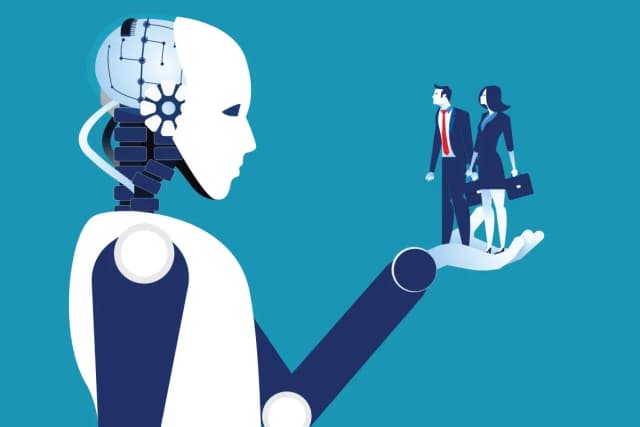
The Complete AI Upskilling Roadmap to Build Smarter Workforce

AI is no longer a future concept it’s already reshaping how work gets done. Yet many organisations face a growing gap between investing in AI tools and enabling employees to use them effectively. Without the right skills, even the most advanced AI fails to deliver impact. That’s where AI upskilling becomes mission critical.
This guide breaks down a clear, practical roadmap to help organisations build a smarter workforce one that understands AI, applies it confidently in daily work, and drives real business outcomes. Whether you’re just starting or scaling AI adoption, this roadmap shows how to turn AI from potential into performance.
What is AI Upskilling?
AI upskilling equips employees with the knowledge and confidence to use AI tools effectively in their daily work. By enhancing existing skills rather than replacing them, it enables faster execution, better decision‑making, and practical AI adoption across roles from predictive insights in marketing to real‑time support through chatbots.
Why AI upskilling matters now?
AI adoption is accelerating across industries from marketing and finance to operations and customer service but a major readiness gap remains. While organisations are investing heavily in AI tools, many employees lack the skills to use them effectively, limiting real business impact. This gap is only set to widen according to LinkedIn and Microsoft, the skills required for jobs are projected to change by 68% by 2030 (compared to 2016) due to generative AI. Without proactive upskilling, teams risk falling behind as roles and expectations rapidly evolve.
Untrained teams often struggle to adopt AI, misinterpret its outputs, or resist change turning promising initiatives into stalled experiments. In contrast, AI‑ready employees integrate AI into daily workflows, identify high‑value use cases, and adapt faster to new technologies. Targeted AI upskilling drives measurable gains in productivity and innovation while building confidence, helping employees see AI as a partner that enhances their work rather than a threat.
10 Steps Roadmap for AI upskilling
Building AI capability isn’t about a one-time training programme it’s a structured, ongoing transformation. This step-by-step roadmap helps organisations move from experimentation to true AI driven performance.
Step 1: Assess AI Readiness and Skill Gaps
Start by understanding where you stand today. Map existing workforce capabilities to identify current AI awareness, technical exposure, and confidence levels. At the same time, pinpoint high impact AI use cases areas where AI can quickly improve productivity, decision-making, or customer outcomes.
Step 2: Define Business Aligned AI Goals
AI upskilling must be tied to clear business outcomes. Determine whether your priority is productivity gains, automation of repetitive tasks, innovation, or competitive differentiation. These goals will guide which skills to build first and how success is measured.
Step 3: Build AI Literacy Across the Organisation
Every employee needs a baseline understanding of AI. Foundational training creates a shared AI language, reduces fear and misconceptions, and ensures teams can collaborate effectively around AI driven work.
Step 4: Design Role Specific Learning Paths
Different roles require different AI skills. Create tailored learning paths for functions such as marketing, HR, operations, and leadership. Focus on Hands on, workflow based learning that applies directly to daily responsibilities.
Step 5: Enable Practical, On-the-job AI Application
Learning sticks when employees use AI in real work. Encourage teams to apply AI tools to everyday tasks and solve real business problems through projects and experiments.
Step 6: Support Leaders to Model AI Adoption
Leaders set the tone. Building leadership AI fluency helps normalize AI use and drives cultural acceptance, making adoption more sustainable across teams.
Step 7: Address Ethics, Governance, and Trust
Responsible AI use is essential. Establish clear guidelines around ethics, data privacy, and bias to build trust among employees and customers alike.
Step 8: Measure AI Upskilling Impact
Track progress using productivity, performance, adoption, and usage metrics to understand what’s working and where to improve.
Step 9: Scale AI Skills Across Teams
Expand successful pilots across the organization and foster communities of practice to share knowledge and best practices.
Step 10: Continuously Evolve AI Skills
AI changes rapidly. Regularly update learning paths, tools, and use cases to keep skills relevant and future ready.
AI Upskilling Challenges and Practical Ways to Overcome Them
AI upskilling initiatives often fail not because of technology, but because of people, mindset, and execution gaps. Addressing these challenges early can significantly improve adoption and long-term impact.
1. Fear of AI Replacing Jobs
The challenge: Employees often view AI training as a signal that their roles may disappear. This fear creates resistance and disengagement.
How to address it:
Frame AI as a job enhancer, not a job eliminator. Communicate clearly that AI is meant to handle repetitive tasks so employees can focus on judgment, creativity, and impact. Share real examples of AI improving roles not replacing them and reinforce that upskilling is an investment in employee growth.
2. Low Engagement or Adoption
The challenge: Generic AI training feels abstract and disconnected from real work, leading to low participation.
How to address it:
Make AI learning role relevant and immediately useful. Tie training to everyday tasks, short workflows, and clear outcomes. Start with small, high value use cases so employees experience quick wins that build momentum and curiosity.
3. Skills Not Translating into Real Work
The challenge: Employees complete AI training but struggle to apply it on the job.
How to address it:
Shift from theory heavy programs to hands-on, applied learning. Encourage real projects, guided experiments, and “learn by doing” moments embedded into daily workflows. Managers should actively support application not just course completion.
4. Lack of Leadership Buy‑In
The challenge: Without visible leadership support, AI upskilling feels optional.
How to address it:
Leaders must model AI adoption themselves. When leaders learn, use, and talk about AI openly, it sends a clear message that AI skills are strategic not experimental.
Best Practices for Building a Smarter Workforce with AI
Successfully building an AI-enabled workforce isn’t about rolling out more tools it’s about changing how people work. The most effective organisations follow a few proven best practices that turn AI from hype into real impact.
Start with Business Problems, Not Tools
AI initiatives fail when they begin with “Which tool should we buy?” instead of “What problem are we solving?” Identify clear business challenges inefficiencies, slow decision-making, inconsistent customer experiences and then explore how AI can help address them. Problem led adoption ensures AI skills are practical, measurable, and directly tied to outcomes that matter.
Focus on Augmentation, Not Automation Alone
While automation has value, the biggest gains come when AI augments human capability. Teach employees how AI supports better thinking, creativity, and judgment not just faster execution. When people see AI as a partner that enhances their expertise, adoption accelerates and resistance drops.
Make AI Learning Continuous, Not One-time
AI evolves rapidly, and so should your upskilling efforts. Move away from single session training and toward continuous learning bite sized modules, ongoing practice, and regular skill refreshers that keep teams relevant as tools and use cases change.
Embed AI Into Everyday Workflows
AI skills only stick when they’re used daily. Integrate AI into existing processes, tools, and projects so learning happens naturally in the flow of work. This turns AI from something employees “learn about” into something they confidently use.
Together, these practices help organizations build a workforce that doesn’t just understand AI but works smarter because of it.
In addition to the above best practices, you can also look out for the variety of AI solutions.
To put that into perspective, if you’re looking for a scalable way to build AI literacy and drive practical adoption, TalentSprint’s AI upskilling solutions can be a strong fit.
How to Get Started with Your AI Upskilling Program?
Starting an AI upskilling initiative doesn’t require a massive overhaul just a clear plan, the right priorities, and a practical learning approach. Here’s how to move from intent to impact.
Quick AI Readiness Checklist
Before you begin, ask a few foundational questions:
- Do employees understand basic AI concepts and tools?
- Are teams confident using AI in daily work?
- Have you identified high impact use cases across functions?
- Is leadership aligned on why AI skills matter?
If most answers are unclear, your organization likely needs a strong AI literacy foundation before moving into advanced use cases.
Choosing the Right Learning Solution
Effective AI learning blends live expert sessions, hands-on projects, self-paced content, and continuous updates. This is where AI Solutions for Enterprises fit naturally. It precisely identifies capability gaps and transforms readiness insights into tailored upskilling journeys spanning focused AI foundations to advanced role‑based and leadership programs.
The result is more than skill development, it is organizational success driven by learning that unlocks the full potential of people cultivating the capabilities businesses need today while empowering employees to grow, advance, and create lasting impact within the organization.
Over to You
AI upskilling is no longer optional it’s a strategic imperative. Organisations that invest in building AI literacy, practical skills, and continuous learning will unlock higher productivity, faster innovation, and a more confident workforce. By following a clear roadmap and choosing the right learning solutions, businesses can move beyond experimentation and embed AI into everyday work. The result is a smarter, future ready workforce that doesn’t just adapt to AI but thrives with it.
About the Author
TalentSprint
TalentSprint, Part of Accenture LearnVantage, is a global leader in building deep expertise across emerging technologies, leadership, and management areas. With over 15 years of education excellence, TalentSprint designs and delivers high-impact, outcome-driven learning solutions for individuals, institutions, and enterprises. TalentSprint partners with leading enterprises and top-tier academic institutions to co-create industry-relevant learning experiences that drive measurable learning outcomes at scale.
Advance your career with the right program