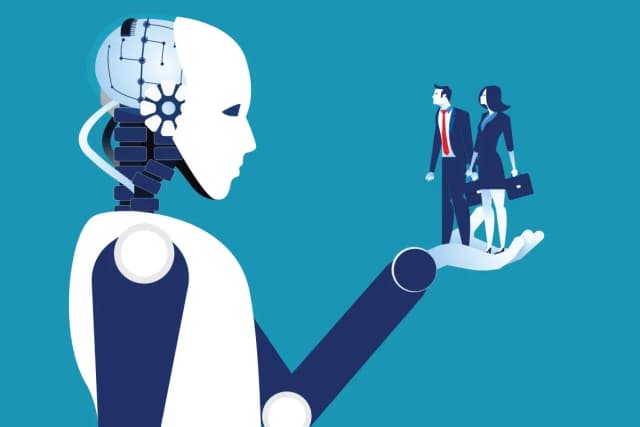
How to use AI ethically in your business strategy?

AI is rapidly becoming a core part of business strategy. In fact, research from HubSpot shows that 75% of marketers are already using AI tools for different marketing purposes ,highlighting widespread adoption, but not necessarily ethical readiness.
While businesses are leveraging AI for speed and efficiency, many are still grappling with challenges around bias, data privacy, and transparency. From biased hiring tools to overly intrusive personalization, the risks are real, and they directly impact customer trust.
This is why ethical AI is no longer optional. As AI continues to evolve, the real competitive advantage will not come from simply using it, but from using it responsibly, transparently, and with trust at its core.
What Does “Ethical AI” Really Mean?
At its core, ethical AI goes beyond simply building powerful systems, it focuses on building responsible ones. It means designing, developing, and deploying artificial intelligence in a way that is fair, transparent, accountable, and aligned with human values, ensuring that technology serves people rather than disadvantages them.
In practice, this involves making conscious decisions at every stage of the AI lifecycle, from how data is collected and used, to how models are trained, evaluated, and implemented. It requires organizations to actively identify and reduce bias, protect user privacy, and ensure that AI-driven decisions can be explained and justified.
Also Read: What is Ethical AI?
Why Ethical AI Matters for Business Strategy?
As AI becomes deeply embedded in business operations, ethics is no longer just a compliance requirement, it’s a strategic necessity. Companies are realizing that how they use AI can directly impact trust, reputation, and long-term growth.
1. Builds Customer Trust and Brand Reputation
Trust is key to any successful business. When customers know their data is being used responsibly, they are more likely to stay loyal and engage more.
According to McKinsey & Company, companies that use AI responsibly tend to build stronger customer trust and improve their brand image.
2. Reduces Business and Legal Risks
Unethical AI can lead to serious consequences, biased decisions, data breaches, or regulatory penalties.
3. Improves Decision-Making Quality
Ethical AI ensures that decisions are not just automated, but also fair and accurate.
4. Enables Sustainable AI Adoption
Many companies struggle to scale AI because of ethical and governance concerns.
5. Creates a Competitive Advantage
As AI becomes widespread, ethical usage is emerging as a key differentiator.
How to use AI ethically in your business?
Using AI ethically isn’t just a technical decision, it’s a human one. At its core, it’s about asking: Are we using this technology in a way that respects people, builds trust, and creates real value?
AI can make businesses faster and smarter, but without the right approach, it can also create confusion, bias, or even harm. That’s why ethical AI is less about rules and more about responsible thinking at every step.
Here’s how businesses can approach it in a thoughtful, practical way:
1. Start with the “Why,” Not Just the “How”
It’s easy to get caught up in what AI can do, but ethical use begins with understanding what it should do. When AI is used to genuinely solve problems, like improving customer support or making services more accessible, it creates value without unnecessary risk.
2. Treat Data Like You Would Treat People
Think of it this way, if a customer wouldn’t feel comfortable knowing how their data is being used, it’s probably not ethical. Respecting data builds long-term trust, which is far more valuable than short-term gains.
3. Be Aware of Bias, Even When You Don’t See It
AI learns from past data, and that data often reflects real-world inequalities.
This means AI can unintentionally:
Favor certain groups over others
Reinforce existing biases
Make unfair decisions without anyone noticing
For example, if an AI tool is used in hiring, it should evaluate candidates based on skills—not background or demographics.
4. Be Open About How AI Is Used
People are more comfortable with AI when they understand it.
Instead of hiding AI behind the scenes:
Let users know when AI is involved
Explain decisions in simple terms
Be transparent about its role
For instance, if a recommendation or decision is AI-driven, a simple explanation can make users feel informed rather than controlled.
5. Keep Humans in the Loop
AI is powerful, but it shouldn’t replace human judgment, especially in important decisions.
There should always be:
A person who can review or override decisions
A system for questioning outcomes
Accountability for results
AI works best when it supports human thinking, not when it replaces it entirely.
6. Protect Privacy Like It’s Your Own
With AI relying heavily on data, privacy becomes a responsibility, not just a requirement.
Businesses should:
Secure data properly
Avoid unnecessary data collection
Respect user boundaries
If you wouldn’t want your own data handled a certain way, it’s a good benchmark for how to treat others’ data too.
7. Set Clear Guidelines for Your Team
Ethical AI isn’t just about technology, it’s about the people using it.
Teams should understand:
What is acceptable and what isn’t
How to use AI responsibly
Who is accountable for decisions
When everyone is aligned, ethical practices become part of the company culture, not just policy.
8. Keep Learning and Improving
AI isn’t static, and neither is ethics.
What works today may not be enough tomorrow. That’s why businesses should:
Regularly review their AI systems
Listen to feedback from users
Adapt to new challenges and expectations
Ethical AI is not a one-time checklist, it’s an ongoing commitment.
Major Challenges Businesses May Face
While the intent to use AI ethically is growing, implementing it is not always straightforward. Businesses often encounter several practical challenges:
Lack of Clear Guidelines and Standards
Many organizations struggle because there is no universal rulebook for ethical AI. This creates confusion around, What qualifies as “ethical” and How to measure fairness or bias
Bias in Data and Algorithms
AI systems learn from existing data, which often contains hidden biases. Even with the best intentions, businesses may unknowingly deploy systems that produce unfair or discriminatory outcomes.
Data Privacy and Security Concerns
AI relies heavily on large volumes of data, raising concerns about, How data is collected, Whether users have given consent or How securely data is stored
Lack of Skilled Talent
Ethical AI requires a combination of technical expertise and ethical understanding. However, many organizations lack professionals who can bridge this gap.
Balancing Innovation with Responsibility
Businesses often face pressure to innovate quickly. In this rush, ethical considerations can be overlooked.
Difficulty in Explaining AI Decisions
Many AI systems operate as “black boxes,” making it hard to explain how decisions are made.
Evolving Regulations and Compliance
AI regulations are still developing globally. Businesses must constantly adapt to new rules and standards.
Also Read: AI for Managers and Leaders: Managing Risks, Bias and Ethical AI Adoption
What Is the Role of Leaders in Ethical AI?
Leaders are not just decision-makers; they are the ones who define how responsibly AI is used across the organization. Their role is to ensure that AI is not only powerful, but also aligned with business goals, human values, and long-term trust.
1. Setting the Direction and Intent
Leaders decide why AI is being used in the first place.
They ensure AI is applied to solve meaningful problems, like improving customer experience or operational efficiency, rather than being adopted blindly.
2. Embedding Ethics into Business Strategy
Ethical AI is not a separate initiative, it must be part of the core business strategy.
Leaders are responsible for:
Defining ethical guidelines
Aligning AI with company values
Ensuring fairness, transparency, and accountability
3. Building a Culture of Responsibility
Technology doesn’t make decisions, people do.
Leaders must create a culture where:
Teams question AI outcomes
Employees understand risks like bias and privacy
Ethical thinking becomes part of daily decision-making
4. Ensuring Accountability
AI systems cannot take responsibility, leaders must.
They need to:
Assign ownership for AI outcomes
Create review and escalation mechanisms
Ensure human oversight in critical decisions
Also Read: Mastering Ethical AI: What Leaders Need to Know
How Leaders Can Drive Ethical AI Adoption?
Understanding ethical AI is important but putting it into practice is where leaders truly make a difference. They play a key role in turning intent into actionable strategy.
1. Start with AI Readiness Assessment
Before scaling AI, leaders must evaluate where the organization stands, its current capabilities, skill gaps, and overall preparedness.
AI readiness goes beyond technology; it includes people, processes, and governance.
2. Upskill Teams with the Right Knowledge
While many teams can use AI tools, they may lack awareness of responsible usage. Leaders should invest in:
AI literacy across roles
Training on ethical AI practices
Real-world business applications
3. Align AI with Business Goals
AI should solve real problems, not operate in isolation. Leaders must ensure that:
AI initiatives address business challenges
Teams understand its role in workflows
Outcomes are measurable and strategy-driven
4. Build Scalable Learning and Governance Systems
Consistent and responsible AI adoption requires:
Standardized practices across teams
Clear decision-making frameworks
Scalable knowledge-sharing systems
How Custom AI Training Solutions Help Leaders Do This?
Custom AI training solutions help organisations move from intent to execution by making AI adoption structured and practical.
1. Tailored to Business Needs
These solutions are customized to your organization’s industry, roles, and goals, focusing on real business challenges.
2. End-to-End AI Readiness Approach
They go beyond training by offering readiness assessments, role-based learning paths, and structured adoption roadmaps.
3. Hands-On, Real-World Learning
With expert-led sessions, case studies, and practical projects, teams learn by doing.
4. Scalable and Flexible Learning
With modular formats and blended delivery (live, online, self-paced), these solutions can scale across teams.
5. Focus on Responsible AI
Training includes ethical practices, governance frameworks, and decision-making aligned with business impact.
Conclusion
AI can transform your business, but how you use it matters just as much as what it can do. The real advantage isn’t just adopting AI faster, but using it responsibly and thoughtfully.
When you focus on fairness, transparency, and trust, AI becomes more than a tool, it becomes something people can rely on. And in the long run, it’s not just smart technology that wins, but technology people trust.
Frequently Asked Questions
Q1. What is ethical AI in business strategy?
Ethical AI in business strategy means designing and using AI systems that are fair, transparent, and accountable. It ensures decisions made by AI align with human values, protect user data, reduce bias, and build long-term trust with customers and stakeholders.
Q2. Why is ethical AI important for organisations?
Ethical AI is important because it builds customer trust, reduces legal and reputational risks, and ensures responsible innovation. Organizations that prioritize ethical AI are better positioned to scale technology, maintain compliance, and create sustainable, long-term business value.
Q3. What are the key components of an ethical AI framework?
An ethical AI framework typically includes fairness, transparency, accountability, privacy, and security. It also involves governance policies, regular audits, and human oversight to ensure AI systems operate responsibly and align with organizational values and regulatory requirements.
Q4. What challenges do businesses face in implementing ethical AI?
Businesses often face challenges like biased data, lack of clear regulations, limited expertise, and difficulty in explaining AI decisions. Balancing innovation with responsibility can also be complex, especially when organizations aim to scale AI quickly across different functions.
Q5. How can leaders ensure responsible AI adoption in their organisations?
Leaders can ensure responsible AI adoption by setting clear guidelines, investing in team training, aligning AI initiatives with business goals, and implementing governance frameworks. Continuous monitoring and fostering a culture of accountability help maintain ethical standards as AI evolves.
About the Author
TalentSprint
TalentSprint, Part of Accenture LearnVantage, is a global leader in building deep expertise across emerging technologies, leadership, and management areas. With over 15 years of education excellence, TalentSprint designs and delivers high-impact, outcome-driven learning solutions for individuals, institutions, and enterprises. TalentSprint partners with leading enterprises and top-tier academic institutions to co-create industry-relevant learning experiences that drive measurable learning outcomes at scale.
Advance your career with the right program