How the best computer science programs prepare students for the AI economy?

TL;DR:As AI transforms industries and widens the demand for future-ready talent, Computer Science education is evolving beyond traditional classroom learning. The best programs combine strong technical foundations with hands-on projects, industry exposure, emerging technology skills, and career readiness, helping students build the practical experience and adaptability needed to succeed in the AI economy.
The AI economy is creating enormous opportunities, but it is also raising the bar for future technology professionals. Employers are no longer looking for graduates who only understand programming. They want people who can work with AI, solve real-world problems, and apply technology in meaningful ways.
At the same time, a recent Times of India report warns that India's AI talent gap is continuing to grow, with businesses struggling to find professionals equipped for AI-driven roles. This highlights an important reality for students and that is earning a Computer Science degree is valuable, but how that degree prepares you for the future matters even more.
The best Computer Science programs recognize this shift. They are redesigning the learning experience around industry-relevant skills, practical application, and emerging technologies, helping students build the capabilities needed to thrive in an AI-driven world.
Building strong foundations for a rapidly changing tech landscape
While AI is transforming industries, it has not changed the importance of Computer Science fundamentals.
The most successful technology professionals still rely on a deep understanding of programming, algorithms, data structures, databases, operating systems, and software development principles. These concepts form the foundation for everything from software engineering and cloud computing to machine learning and AI applications.
The best Computer Science programs understand that preparing students for the future starts with helping them master these fundamentals before introducing more advanced technologies. Rather than chasing trends, they focus on building the problem-solving mindset that allows graduates to adapt as technology evolves.
Teaching students to work with AI, not just learn about It
Artificial Intelligence is no longer limited to research labs or technology companies. It is becoming part of healthcare, finance, retail, manufacturing, education, and countless other industries.
As a result, employers increasingly value graduates who understand how AI can be applied in real-world situations.
Leading Computer Science programs are responding by introducing students to areas such as:
- Artificial Intelligence
- Machine Learning
- Data Science
- Cloud Computing
- Cybersecurity
- Full Stack Development
However, the goal is not simply to add more subjects to the curriculum. The goal is to help students understand how these technologies connect to business problems, user needs, and industry challenges.
Students who gain early exposure to these domains are often better positioned to navigate emerging career opportunities as AI adoption continues to grow.
Moving beyond theory through applied learning
One of the biggest differences between traditional and future-focused Computer Science education is how students learn.
Many graduates leave college with theoretical knowledge but limited experience applying that knowledge in practical situations. Yet employers increasingly evaluate candidates based on their ability to build, experiment, troubleshoot, and solve problems.
That is why the best programs prioritize learning by doing.
Instead of relying exclusively on lectures and examinations, students participate in:
- Hands-on labs
- Coding challenges
- Hackathons
- Bootcamps
- Projects
- Applied assignments
- Real-world problem-solving exercises
These experiences help students develop technical confidence while creating a deeper understanding of the concepts they learn in class.
After all, understanding how a system works is important. Building that system yourself is even more valuable.
Integrating industry exposure into the learning journey
Many students face a common challenge after graduation: employers want experience, but gaining experience often requires employment.
To bridge this gap, leading institutions are finding ways to bring industry exposure into the degree itself rather than treating it as something students pursue separately.
This exposure can come through:
- Industry mentorship
- Expert-led sessions
- Corporate projects
- Industry case studies
- Workplace learning opportunities
- Apprenticeship models
The goal is simple and that is to help students understand how technology is used in professional environments while they are still studying.
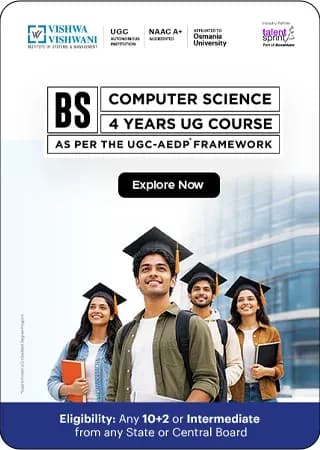
One example of this approach is the BS in Computer Science at VVISM Hyderabad, offered in collaboration with TalentSprint. The program follows the UGC Apprenticeship Embedded Degree Program (AEDP) framework and combines 2 years of campus learning with 2 years of industry apprenticeship, enabling students to gain industry exposure alongside their academic education rather than waiting until graduation.
In an AI-driven economy where practical experience and adaptability matter, this type of integrated learning model can help students better connect classroom concepts with workplace realities.
Also Read: How Industry experience during college changes your career
Helping students build proof of skills
A degree tells employers what a student has studied and a portfolio shows what a student can do.
This distinction is becoming increasingly important as hiring practices evolve.
The strongest Computer Science programs encourage students to build tangible evidence of their capabilities throughout their academic journey. This may include:
- Software applications
- AI-powered solutions
- Data projects
- Cloud deployments
- Capstone projects
- Product prototypes
- Open-source contributions
- Hackathon submissions
These experiences help students demonstrate their technical abilities in interviews and placement processes.
More importantly, they develop the habit of learning through creation rather than memorization.
What does future-ready computer science education look like?
As employers place greater emphasis on practical skills, industry exposure, and emerging technologies, the most effective Computer Science programs are bringing these elements together into a single learning journey.
This is where program design becomes important.
Rather than treating technical education, industry exposure, and career preparation as separate activities, some institutions are embedding them into the structure of the degree itself.
The BS in Computer Science at VVISM Hyderabad offered by Talentsprint (Part of Accenture) reflects this approach through a combination of:
- Strong Computer Science foundations
- Specializations in AI & Machine Learning, Data Science, Cloud Computing, Cyber Security, Full Stack Development, and UI/UX Design
- Industry-driven labs, coding challenges, projects, and hackathons
- Continuous mentorship and industry interactions
- AI-driven applied learning environments and cloud labs
- Career readiness support, including portfolio building, communication training, interview preparation, and professional development
Together, these elements are designed to help students develop both technical expertise and practical capability throughout their four-year journey rather than attempting to build those skills only at the end of their degree.
Also Read: What is a BS in Computer Science? The Complete Guide
Preparing students for emerging career opportunities
The AI economy is expanding the range of career opportunities available to Computer Science graduates.
While software development remains a popular pathway, growing demand now exists across several technology domains, including AI, data, cloud infrastructure, cybersecurity, and digital product development.
Depending on their interests and specialization areas, graduates may pursue roles such as:
- Software Developer
- AI Engineer
- Machine Learning Engineer
- Data Analyst
- Data Scientist
- Cloud Engineer
- Cybersecurity Analyst
- Full Stack Developer
- Product Engineer
The most valuable Computer Science programs prepare students not for a single job title, but for a technology landscape that will continue evolving throughout their careers.
Building career readiness alongside technical skills
Technical knowledge alone does not guarantee employability.
Students also need to know how to communicate ideas, present projects, collaborate with teams, and perform effectively during recruitment processes.
That is why leading Computer Science programs increasingly incorporate career readiness initiatives alongside technical learning.
This can include:
- Resume building
- LinkedIn profile development
- Mock interviews
- Communication skills training
- Aptitude preparation
- Project presentation practice
- Professional development workshops
The combination of technical expertise and professional readiness often plays a significant role in helping students make a successful transition from education to employment.
Conclusion
The AI economy is redefining what it means to be job-ready. Today's employers look beyond technical knowledge, seeking graduates who can solve real-world problems, adapt to emerging technologies, and apply their skills in practical settings.
As a result, the value of a Computer Science degree increasingly depends on how well it combines strong foundations, hands-on learning, industry exposure, and career readiness. Programs that bring these elements together are helping shape the next generation of technology professionals.
Frequently Asked Questions
Q1. Will a Computer Science degree still be valuable in the age of AI?
Yes. AI is changing how technology jobs are performed, but it is also creating demand for professionals with strong computing, data, and problem-solving skills. Students who combine Computer Science fundamentals with AI, practical experience, and industry exposure are likely to find diverse opportunities in the evolving technology landscape.
Q2. What should students look for in a future-ready Computer Science program?
Students should look for programs that combine strong Computer Science foundations with hands-on projects, industry mentorship, AI and Machine Learning exposure, practical learning environments, and career readiness support. These elements help bridge the gap between academic learning and real-world industry expectations.
Q3. How does industry experience help Computer Science students?
Industry experience allows students to apply classroom concepts to real-world challenges, develop professional skills, build portfolios, and gain workplace exposure before graduation. This practical experience often helps students better understand industry expectations and confidently transition into technology careers after completing their degree.
About the Author
TalentSprint
TalentSprint, Part of Accenture LearnVantage, is a global leader in building deep expertise across emerging technologies, leadership, and management areas. With over 15 years of education excellence, TalentSprint designs and delivers high-impact, outcome-driven learning solutions for individuals, institutions, and enterprises. TalentSprint partners with leading enterprises and top-tier academic institutions to co-create industry-relevant learning experiences that drive measurable learning outcomes at scale.
Explore Our Programme
Advance your career with the right program