AI Tools vs AI skills

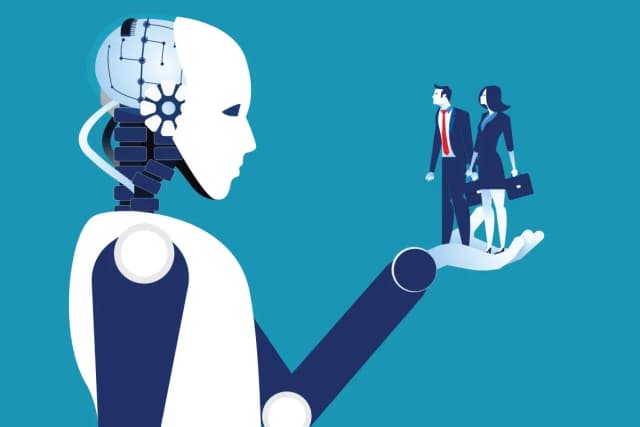
A decade ago, knowing what to use was enough. Today, it’s about knowing how to think.
With a flood of AI tools promising to write, design, code, and even make decisions for you, it’s easy to assume that mastering the latest platform is your ticket to employability. But here’s the real question: if everyone has access to the same tools, what actually sets you apart?
The answer lies beyond buttons, prompts, and dashboards.
In a world where tools evolve overnight, AI skills, like critical thinking, problem framing, creativity, and ethical judgment, have become the true differentiators. Employers aren’t just looking for someone who can use AI; they want someone who can leverage it strategically, question its outputs, and turn it into meaningful impact.
So, is it better to chase every new AI tool, or invest in building timeless AI skills?
Let’s unpack what truly makes you employable in the age of artificial intelligence.
Understanding AI Tools and AI skills
At first glance, AI tools and AI skills can seem interchangeable, after all, both are part of working with artificial intelligence. But in reality, they operate at very different levels, and understanding this distinction is what separates casual users from truly valuable professionals.
What Are AI Tools?
AI tools are the platforms, software, and applications that enable you to perform tasks using artificial intelligence. These could include tools for content generation, data analysis, coding assistance, design, automation, and more. They are built to simplify complex processes, making AI accessible to a wider audience.
Also Read: Best AI Tools
What Are AI Skills?
AI skills, on the other hand, are the human capabilities that allow you to effectively work with these tools. This includes:
Problem-solving and analytical thinking
Prompt engineering and communication clarity
Understanding AI limitations and biases
Data interpretation and decision-making
Creativity and strategic thinking
Also Read: What are top AI skills and why do they matter in today's workplace?
The Rise of Tool-Driven Work
Work today is no longer defined by what you know, but increasingly by what you can access. The rapid rise of AI tools has fundamentally changed how tasks are executed across industries, giving birth to what we now call tool-driven work.
At its core, tool-driven work means that tasks are performed with the help of intelligent platforms rather than built from scratch by humans. Whether it’s writing content, analyzing data, designing visuals, or even coding, AI tools have become the first point of action, not the last.
Why AI Tool-Driven Work Is Growing So Fast
1. Instant Accessibility of AI
AI tools are no longer limited to experts. With simple interfaces and natural language prompts, almost anyone can generate outputs in seconds. This widespread adoption is exactly why millions are already integrating AI into their daily workflows.
2. Speed Over Process
Organizations are prioritizing speed and efficiency. Instead of spending hours brainstorming or executing manually, professionals now rely on tools to create a strong first draft instantly, and then refine it.
3. Lower Barrier to Entry
Earlier, specialized skills like coding or design required years of practice. Today, tools allow beginners to perform complex tasks with minimal training, opening up opportunities for a much wider talent pool.
4. Cost and Scale Advantages
Companies can now do more with fewer resources. AI tools enable teams to scale output, whether it’s campaigns, reports, or customer interactions, without proportionally increasing headcount.
Why AI Skills Matter More Than Ever
AI is no longer a niche advantage, it’s becoming a basic expectation. But as access to AI tools grows, something interesting is happening: the real value is shifting away from the tools themselves to the skills needed to use them effectively.
Today, almost anyone can open an AI tool and generate content, analyze data, or build code. But not everyone can ask the right questions, interpret the results, or turn outputs into meaningful outcomes. And that’s exactly where AI skills come in.
What Makes AI Skills So Valuable?
1. Tools Can Generate but Skills Can Guide
AI can produce answers, but it doesn’t understand context the way humans do. Skills like problem framing, prompt design, and critical thinking help you guide AI toward better, more relevant outputs.
2. Tools Can Assist but Skills Can Decide
AI can suggest, summarize, and automate, but it cannot take responsibility for decisions. Human judgment is essential to validate, refine, and apply AI-generated results.
3. Tools Are Temporary but Skills Are Transferable
AI tools evolve rapidly. What’s trending today may disappear tomorrow. But skills like analytical thinking, creativity, and adaptability stay relevant across tools and industries.
4. Tools Create Output but Skills Create Impact
Two people can use the same AI tool and get completely different results. The difference lies in how well they understand the problem, refine the output, and apply it strategically.
The Power of Combining AI Tools and AI Skills
The real magic doesn’t lie in choosing between AI tools and AI skills, it lies in bringing them together.
When you combine the speed of tools with the depth of human thinking, you unlock a level of productivity and impact that neither can achieve alone.
Where the Real Advantage Comes From:
1.AI tools can generate results in seconds, but skills help you guide those results in the right direction. Together, they turn quick outputs into meaningful outcomes.
2. Tools automate repetitive tasks, while your skills ensure those tasks are done thoughtfully, accurately, and with purpose.
3. Anyone can produce content using AI, but not everyone can refine, contextualize, and apply it effectively. That’s what transforms output into real value.
4. While tools handle execution, your skills drive creativity, problem-solving, and new ideas, helping you go beyond what AI can generate on its own.
Also Read: What 'AI for Everyone' Really Means?
But Here’s the Real Challenge…
Most people fall into one of two traps:
Either they learn tools without understanding
Or they learn concepts without applying them
Very few actually learn how to connect both in a practical, real-world way.
And that’s exactly the gap modern AI learning needs to solve.
How can we tackle it and Bridge the Gap?
Addressing the challenges of AI adoption requires more than just access to information, it calls for structured, hands-on learning that enables real-world application. TalentSprint’s AI Infinity program is designed with this exact focus which works in helping learners move beyond theory and confidently apply AI in practical scenarios.
AI Infinity is structured to simplify complex AI concepts while ensuring they are directly applicable to everyday work and business use cases. The program emphasizes learning by doing, enabling learners to build confidence through consistent practice and guided implementation.
It also recognises that learners come from diverse backgrounds. So, Here’s what you can expect from this program:
1. Learn Tools and Skills Together
You don’t just learn about AI, you get hands-on experience with 20+ leading tools like ChatGPT, Copilot, Gemini, and Perplexity, while also building core skills like prompting, problem-solving, and decision-making.
2. Learn by Doing, Not Just Watching
The program includes 12 industry-relevant projects, helping you apply AI to real-world problems, from marketing automation to AI-powered assistants.
3. Structured Yet Flexible Learning
40 hours of guided learning with expert-led sessions
Self-paced content so you can learn anytime
20 skill-based assignments to track progress
This ensures you’re not just consuming knowledge, you’re building capability.
4. Built for Everyone Not Just Techies
Whether you’re a student, professional, or career switcher, the program offers:
A Functional Track: for non-tech roles, focused on using AI tools effectively.
A Technical Track : for building and deploying AI systems.
5. Continuous Learning in a Fast-Changing World
With 1-year access to updated content, you stay relevant as AI evolves.
With AI evolving rapidly, static learning models often fall short. AI Infinity addresses this by combining structured guidance, real-world exposure, and ongoing access to updated content, ensuring learners stay relevant over time.
How This Actually Makes You Employable?
Let’s be honest, today, almost everyone can say they’ve “used AI.” But that alone doesn’t make you job-ready.
What really makes the difference is how you use it.
When you learn to combine AI tools with real skills, something shifts. You’re no longer just experimenting, you’re actually able to apply AI in meaningful ways.
You start approaching tasks differently. Instead of just completing work, you begin to improve how work gets done. You don’t just accept AI outputs, you question them, refine them, and shape them into something useful. And that’s exactly what employers are looking for.
Because in the real world, companies don’t need people who can just “use tools.” They need people who can:
Solve problems using AI
Think critically about outputs
Adapt quickly as tools evolve
Turn ideas into results
And when you can do that, you become valuable from day one.
In the end, employability isn’t about knowing the most tools or memorizing concepts.
“It’s about being able to use AI to create real impact”.
And when you can do that, you don’t just fit into the future of work,
“You become someone companies actively look for”.
Also Read: How to Start Your AI Journey?
The way forward
AI tools can open doors, but they don’t guarantee success. What truly makes you employable is your ability to use those tools with purpose, think critically, and solve real-world problems.
In today’s fast-changing landscape, tools will keep evolving, but strong AI skills, like understanding context, asking the right questions, and applying AI effectively, will always stay relevant. Employers are no longer looking for people who just use AI, but for those who can work alongside it to create meaningful impact.
Ultimately, it’s not about choosing between tools and skills, it’s about mastering the balance. Because in a world where everyone has access to the same tools, your skills are what make you stand out.
Frequently Asked Questions
Q1. Do employers value AI tools knowledge or AI skills more?
Employers value AI skills more than just tool familiarity. Tools evolve quickly, but core skills like problem-solving, data understanding, and model thinking remain relevant. Professionals who understand how AI works can adapt to new tools faster and deliver long-term value.
Q2. Can learning AI tools alone make you job-ready?
Learning AI tools alone is not enough to make you job-ready. While tools help with execution, employers expect candidates to understand concepts like machine learning, data analysis, and decision-making to apply tools effectively in real-world business scenarios.
Q3. Why are AI skills considered more future-proof than tools?
AI tools change rapidly as technology evolves, but foundational skills like statistics, critical thinking, and machine learning concepts remain constant. These skills enable professionals to adapt to new tools and technologies, making them more resilient and future-ready in dynamic job markets.
Q4. What combination of AI tools and skills do employers expect?
Employers look for a balance, strong foundational AI skills combined with hands-on experience using tools like Python, TensorFlow, or analytics platforms. This combination ensures candidates can both understand problems deeply and implement solutions efficiently in real-world situations.
Q5. How can professionals bridge the gap between tools and skills?
Professionals can bridge this gap by focusing on concept-driven learning while applying tools through projects. Working on real-world case studies, building portfolios, and understanding business context helps connect theoretical knowledge with practical tool usage effectively.
About the Author
TalentSprint
TalentSprint, Part of Accenture LearnVantage, is a global leader in building deep expertise across emerging technologies, leadership, and management areas. With over 15 years of education excellence, TalentSprint designs and delivers high-impact, outcome-driven learning solutions for individuals, institutions, and enterprises. TalentSprint partners with leading enterprises and top-tier academic institutions to co-create industry-relevant learning experiences that drive measurable learning outcomes at scale.
Advance your career with the right program